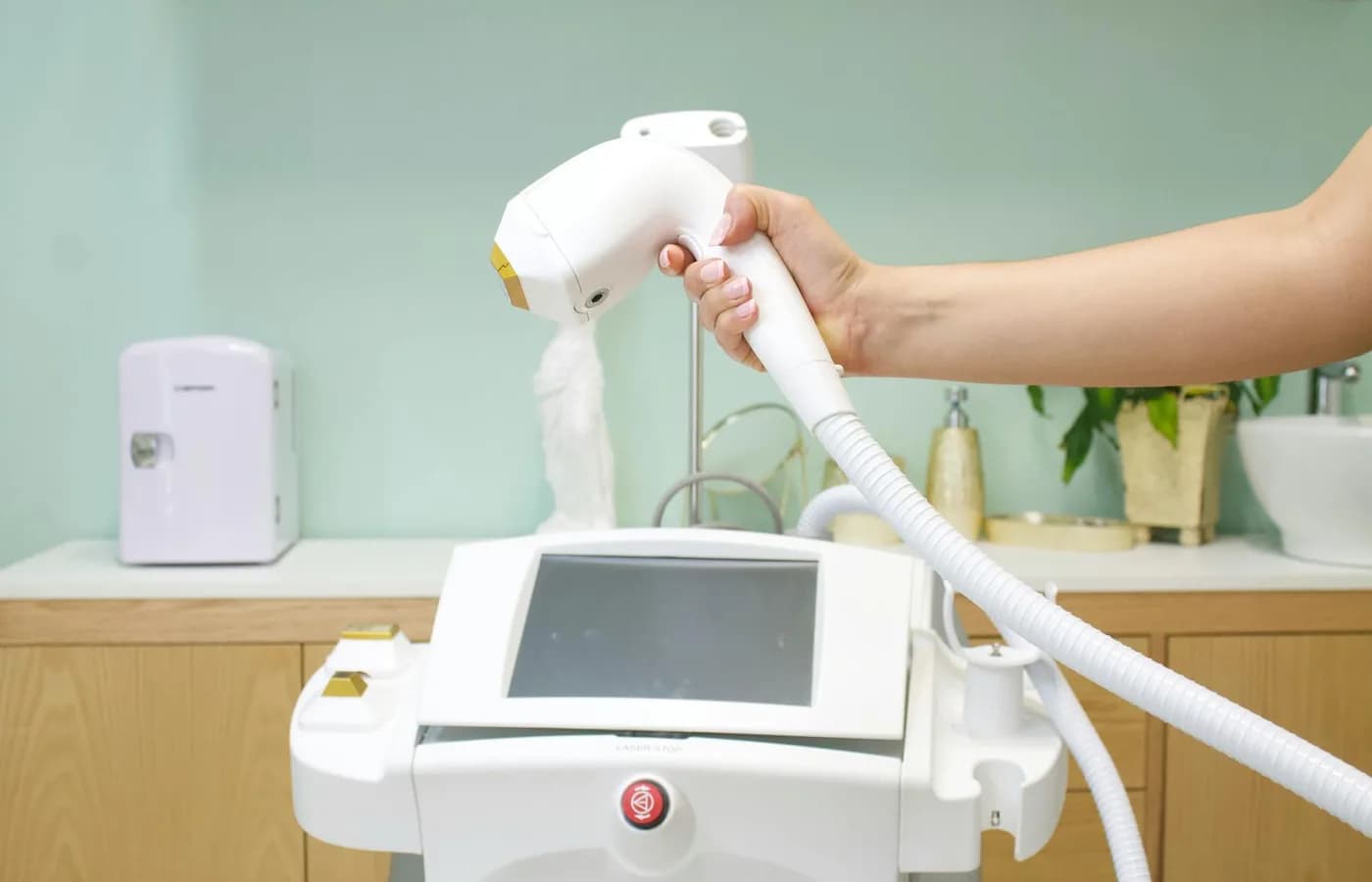
For years, laser hair removal carried a reputation for being unsafe or ineffective on darker skin tones. That reputation came from older lasers that couldn't tell the difference between hair pigment and skin pigment, raising the risk of burns and discoloration. Modern technology has changed that, but only if you choose the right laser and provider.
This guide explains why the laser type matters so much, how skin tone is classified, and what to look for in a clinic. To compare providers, browse laser hair removal by city or start a provider request.
Why laser type matters for dark skin
Laser hair removal works by targeting melanin, the pigment in hair. The problem for darker skin is that the skin also contains a lot of melanin. Lasers with shorter wavelengths can mistake skin pigment for hair pigment, which leads to burns, blistering, or changes in skin color.
The solution is a laser with a longer wavelength that penetrates deeper and bypasses surface skin pigment to reach the follicle. This is why the laser your clinic uses is the single most important factor for safe treatment on dark skin.
The best laser for dark skin tones
The Nd:YAG laser is widely considered the safest and most effective option for darker skin. Its longer 1064 nm wavelength targets the hair follicle while sparing the surrounding skin, reducing the risk of pigment changes.
| Laser type | Suited for dark skin? | Notes |
|---|---|---|
| Nd:YAG | Yes | Longer wavelength, safest for Fitzpatrick IV - VI |
| Diode | Sometimes | Can work on medium-dark skin with proper settings |
| Alexandrite | No | Better for light skin; higher risk on dark tones |
| IPL | No | Not a true laser; generally not recommended for dark skin |
If a clinic cannot tell you which laser they use or whether it is rated for your skin tone, treat that as a warning sign.
Ready to book?
Compare med spa providers near you by services, reviews, and enquiry options.
Laser Hair Removal in Houston →Understanding the Fitzpatrick scale
Providers use the Fitzpatrick scale to classify skin tone and how it reacts to UV light. It ranges from Type I (very fair, always burns) to Type VI (deeply pigmented, never burns). Darker tones generally fall in Types IV, V, and VI.
Knowing your Fitzpatrick type helps your provider choose the correct laser and settings. A good clinic will assess your type during the consultation and adjust the treatment accordingly rather than using a one-size-fits-all approach.
Safety steps for dark skin
- Request a patch test: A small test area confirms how your skin responds before a full session.
- Confirm the laser: Make sure the clinic uses an Nd:YAG or another laser rated for your tone.
- Choose an experienced provider: Ask how often they treat Fitzpatrick IV to VI patients.
- Protect your skin: Avoid sun exposure and tanning before and after treatment.
- Follow aftercare: Use sunscreen and gentle skincare to support healing.
What results to expect
With the right laser, dark skin responds well to laser hair removal, though it may require a few additional sessions compared to the ideal light-skin, dark-hair combination. Most people still need six to eight sessions, sometimes more, spaced several weeks apart. See how many sessions you need for a full breakdown.
How to find the right clinic
The right clinic for dark skin combines the correct technology with real experience. When comparing providers, ask about their laser, request a patch test, and read reviews from patients with similar skin tones.
Browse local options such as laser hair removal in Houston, laser hair removal in Atlanta, or laser hair removal in Miami to compare providers.
Safety and medical disclaimer
This guide is for general education and provider comparison. It is not medical advice. Suitability, safety, and results vary by person, skin tone, and provider. Always consult a qualified provider and request a patch test before treatment.
FAQs
Is laser hair removal safe for dark skin?
Yes, when the clinic uses an Nd:YAG laser or another device rated for darker tones and an experienced provider sets it correctly. Older lasers not designed for dark skin carry a higher risk of burns and pigment changes.
What is the best laser for dark skin tones?
The Nd:YAG laser is generally the best choice because its longer wavelength targets hair while sparing surrounding skin pigment, lowering the risk of discoloration.
Do I need more sessions if I have dark skin?
You may need a few extra sessions compared to light skin with dark hair, but most people still need around six to eight sessions with the right laser and settings.
Should I get a patch test before laser hair removal?
Yes. A patch test on a small area confirms how your skin responds and is especially important for darker skin tones before committing to a full session.